



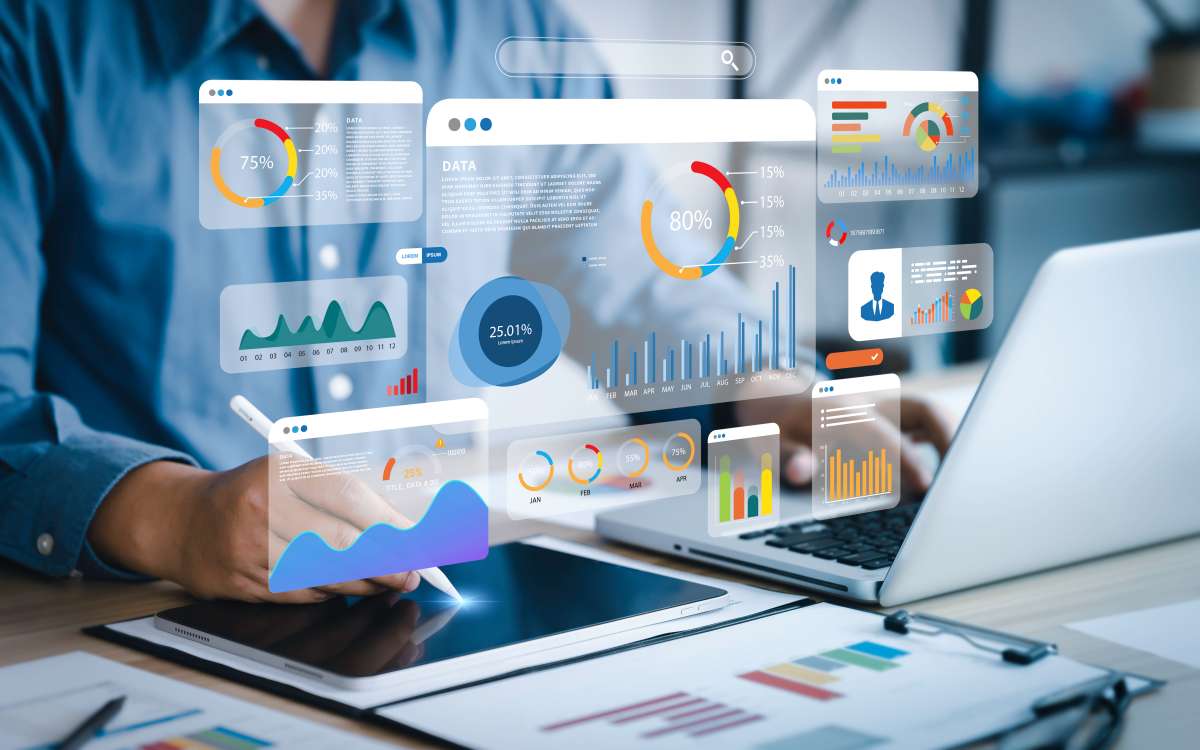
What is Data Analytics in Business?
Data analytics refers to the process of examining large amounts of data to uncover patterns, trends, and other valuable insights. By using data analytics, businesses can turn raw data into information that helps them make better decisions. Whether it’s tracking customer behaviour, analysing financial performance, or improving supply chain management, data analytics helps businesses gain a deeper understanding of their operations and market trends.
How Data Analytics is Changing Business Decision-Making
Data analytics is changing the way businesses make decisions in many ways. Let’s look at some of the most significant impacts:
- Enabling Data-Driven Decisions: One of the biggest advantages of data analytics is that it enables businesses to make decisions based on facts and data rather than intuition. By using data analysis tools, companies can get a clear picture of their performance, market conditions, and customer preferences. With real-time insights, businesses can act quickly and confidently, whether they’re deciding on marketing strategies, product launches, or financial investments.
- Improving Operational Efficiency: Data analytics helps businesses identify inefficiencies in their operations and find ways to improve them. For example, companies can use data analysis services to monitor supply chains, track inventory, and assess manufacturing processes. This allows them to streamline operations, reduce waste, and cut costs.Predictive analytics, a subset of data analytics, can also help businesses anticipate future challenges, such as demand changes or equipment failures, allowing them to take proactive measures to avoid disruptions.
- Gaining Better Customer Insights: Understanding customer needs and preferences is vital for any business. Data analytics allows companies to collect and analyse data from customer interactions, sales transactions, and online behaviour to gain a deeper understanding of their audience. This can lead to more personalised marketing, better product recommendations, and improved customer service.
- Real-Time Decision-Making: In a fast-paced business world, being able to make decisions quickly is essential. Cloud data analytics enables businesses to access and analyse real-time data from anywhere, making it easier to respond to changing conditions. Whether it’s monitoring stock levels or adjusting delivery routes, cloud-based data analytics tools help businesses make quick decisions that improve customer satisfaction and operational performance.
- Risk Management and Fraud Detection: Data analytics is also an important tool for managing risks and detecting fraud. By analysing historical and real-time data, businesses can identify patterns that indicate potential fraud or security threats. For example, in the financial sector, data analytics can help companies detect suspicious transactions and prevent losses before they happen.
In industries such as insurance, data analytics can be used to assess risk factors more accurately, allowing businesses to adjust their strategies and avoid unnecessary financial exposure.
Types of Data Analytics Tools Used in Business
There are various data analysis tools available to help businesses process and make sense of their data. These tools range from basic visualisation platforms to advanced predictive analytics solutions:
- Data Visualisation Tools: Data visualisation tools help businesses present complex data in an easily digestible format. By using charts, graphs, and dashboards, these tools make it easier for decision-makers to spot trends and patterns. Popular data visualisation platforms include Tableau, Power BI, and Qlik.
- Predictive Analytics Tools: Predictive analytics tools help businesses forecast future trends based on historical data. These tools are particularly useful for projecting sales, understanding customer behaviour, and anticipating market demand. Common predictive analytics platforms include SAS, R, and IBM SPSS.
- Machine Learning Tools: Machine learning tools allow businesses to build algorithms that can learn from past data and make predictions. These tools are used for a variety of applications, including fraud detection, recommendation systems, and market forecasting. Well-known machine learning platforms include Python, R, and Google Cloud AI.
- Cloud Data Analytics Tools: Cloud data analytics tools provide businesses with the flexibility to access and analyse data from any location. These tools offer scalable solutions and can be easily integrated with other cloud-based services. Popular cloud data analytics platforms include Amazon Web Services (AWS), Google BigQuery, and Microsoft Azure.
The Role of Data Analytics Consultants
While businesses can use data analytics tools on their own, many turn to data analytics consultants to help them make the most of their data. A data analytics consultant can provide expert advice on selecting the right tools, creating custom analytics solutions, and developing strategies for using data to drive business decisions including digital marketing campaigns based on customer-behaviour insights.
Data analytics consultants also help companies with data management, ensuring that the data they collect is clean, accurate, and actionable. By working with a data analytics consultant, businesses can unlock the full potential of their data and make more informed decisions.
The Future of Data Analytics in Business
The role of data analytics in business decision-making is expected to grow significantly in the coming years. As technology advances, businesses will have access to even more powerful data analytics tools that offer deeper insights and more accurate predictions. With the rise of artificial intelligence and machine learning, the ability to analyse large amounts of data in real time will become even more sophisticated.
The global data analytics market is predicted to grow at a CAGR of 25.5% from 2025 to 2032, reflecting the increasing importance of data in business decision-making (Source: Fortune Business Insights).
Conclusion
Data analytics is changing the way businesses approach decision-making. With the right data analysis tools, cloud data analytics platforms, and expert guidance from data analytics consultants, companies can gain valuable insights that lead to better decisions, improved efficiency, and greater profitability. As the world of data continues to evolve, businesses that embrace data analytics will be better positioned to succeed in an increasingly competitive environment.