


Personalisation That Actually Works
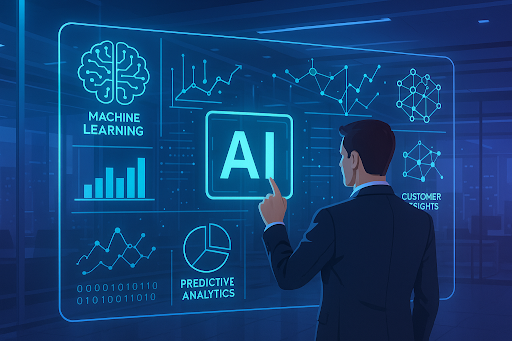
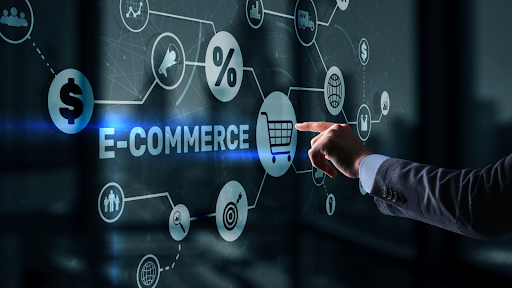
When you visit an online store, have you noticed how it seems to “know” what you like? That’s AI at work.
AI-powered recommendation systems look at browsing history, purchases, and even how long someone stays on a page. Based on that, they suggest products or deals you might actually want. It is found that companies using AI in e-commerce often see 20% higher revenue because personalisation keeps shoppers engaged and more likely to buy.
For e-commerce web development teams, this means building sites that connect smoothly with AI tools, so the right products reach the right people without slowing the site down.
Chatbots: Your 24/7 Sales Assistants
Customer questions don’t stop after business hours. That’s why chatbots have become essential for many online stores.
They can answer FAQs, guide people through checkout, or even suggest products. And the best part? They work day and night, without extra staff costs.
Research from Social Media Today shows 72% of online retailers now use some form of automation, including chatbots, to improve service.
For responsive web development, it’s important that these chatbots look and work perfectly across mobile, tablet, and desktop devices.
Smarter Content and Store Management
Running an e-commerce site isn’t just about listing products. There are descriptions to write, promotions to launch, and layouts to update. This is where automation helps.
- AI can test different headlines and images to see what customers prefer.
- Seasonal campaigns can be launched faster with auto-generated landing pages.
- Pricing can adjust automatically based on demand or inventory.
For e-commerce web developers, this means connecting AI tools with content management systems so updates happen quickly without needing endless manual edits.
Making Operations Faster Behind the Scenes
While customers see the storefront, there’s a lot happening in the background: stock updates, delivery tracking, and order management. A study by Digital Commerce 360 revealed that 67% of B2B ecommerce companies now use AI to handle things like demand forecasting and supply chain optimisation.
For ecommerce development services, integrating these systems saves time, reduces mistakes, and keeps customers happy with accurate delivery times and stock information.
From Responsive to Adaptive Experiences
We all know about responsive web development, making sure websites look good on phones, tablets, and desktops. AI takes it one step further with adaptive experiences.
Imagine a website that:
- Loads lighter pages if your internet connection is slow.
- Changes product recommendations in real time based on your clicks.
- Preloads pages you’re likely to open next.
This creates a faster, smoother experience for shoppers and helps web development agencies deliver sites that feel modern and effortless to use.
What Developers Need to Learn Now
The rise of AI is changing what e-commerce web developers need to know. It’s no longer just about coding skills.
Today’s developers often work with:
- APIs for chatbots and recommendation systems.
- Data pipelines for handling customer and product information.
- Automation tools that speed up testing, deployment, and updates.
Many web development agencies now team up with AI experts so they can offer clients complete solutions instead of just a standard website build.
Challenges to Watch Out For
Of course, AI and automation aren’t perfect. Businesses need to handle a few things carefully:
- Privacy: Shoppers expect personalisation but also want their data protected.
- Performance: AI tools can’t slow the site down — speed matters for sales.
- Fairness: AI models can accidentally favour some groups over others.
- Maintenance: AI systems need updates to stay accurate over time.
Good ecommerce development services plan for these issues from the start, so businesses don’t face problems later.
What’s Next for E-commerce?
The Financial Times reports that AI shopping assistants may one day place orders automatically on behalf of customers. That could completely change how people shop online.
We might also see:
- AI creating full website designs from scratch.
- Virtual reality stores are personalised for each user.
- Voice assistants handling entire shopping journeys.
For web development agencies, staying ahead means learning these tools early and showing clients how they can be used effectively.
Final Thoughts
AI and automation aren’t replacing human developers; they’re making their work more powerful. For e-commerce web developers and any web development agency, these tools help deliver faster, smarter, and more personalised online stores.
The businesses that combine responsive web development with automation and AI will create shopping experiences that keep customers coming back