



Why Creative Web Design Is Indispensable Now
People judge websites quickly. According to Google’s “The Need for Mobile Speed” report, 53% of mobile visitors abandon a site if it takes more than 3 seconds to load (Source – Marketing Dive). That means more than half the potential audience leaves before seeing what you offer.
Also, research from Akamai shows that a 1-second delay in page load time can reduce conversions by about 7%. These aren’t small numbers; they have real financial consequences. That’s why strong, visually compelling design must also be very fast and efficient.
Key Trends in Modern Website Design
- The Rise of Responsive Web Design: Adapting to All Devices
With over half of web traffic coming from mobile, a website that doesn’t adapt to screen size will frustrate users. Responsive design ensures that whether someone is browsing on a desktop, tablet or smartphone, the experience remains smooth. Sites designed with a mobile-first mindset tend to perform better in usability and SEO. - Speed is More Than a Feature – It’s a Requirement
As seen above, slow loading costs users and customers. The Google study shows that sites that load in 5 seconds perform much better than ones that take 19 seconds (on 3G or slow networks), including 25% higher ad viewability, 70% longer sessions, and 35% lower bounce rates.
Modern website design demands optimisation: image compression, lazy loading, minimising scripts and styles, and improving server response time. - Clean Layouts and User Experience (UX) First
Users favour clear navigation, readability, and intuitive interaction. Cluttered designs, too many popups, or unclear calls-to-action create friction. Modern website design trends emphasise minimalism: whitespace, clear typography, logical hierarchy and microinteractions that guide rather than distract. - Personalisation & Dynamic Content
Sites that tailor content based on user behaviour, location, or device tend to engage visitors more deeply. When you combine creative web design with personalisation, the experience feels more relevant, boosting time on site, repeat visits and eventually conversions. - Accessibility & Inclusive Design
Good design isn’t just for able users. Accessibility, including semantic HTML, alt text for images, keyboard navigation, and proper contrast, broadens reach and also helps with SEO. Users with disabilities, older users, or those on low-bandwidth devices benefit when the design is inclusive. - Subtle Motion, Microinteractions, & Visual Storytelling
Motion can add polish: hover effects, subtle animations, scroll effects. But it must be balanced with performance. Too much motion or heavy visual content without optimisation slows sites down. Creative web design today means using motion meaningfully, not gratuitously. - AI & Tools Supporting Designers
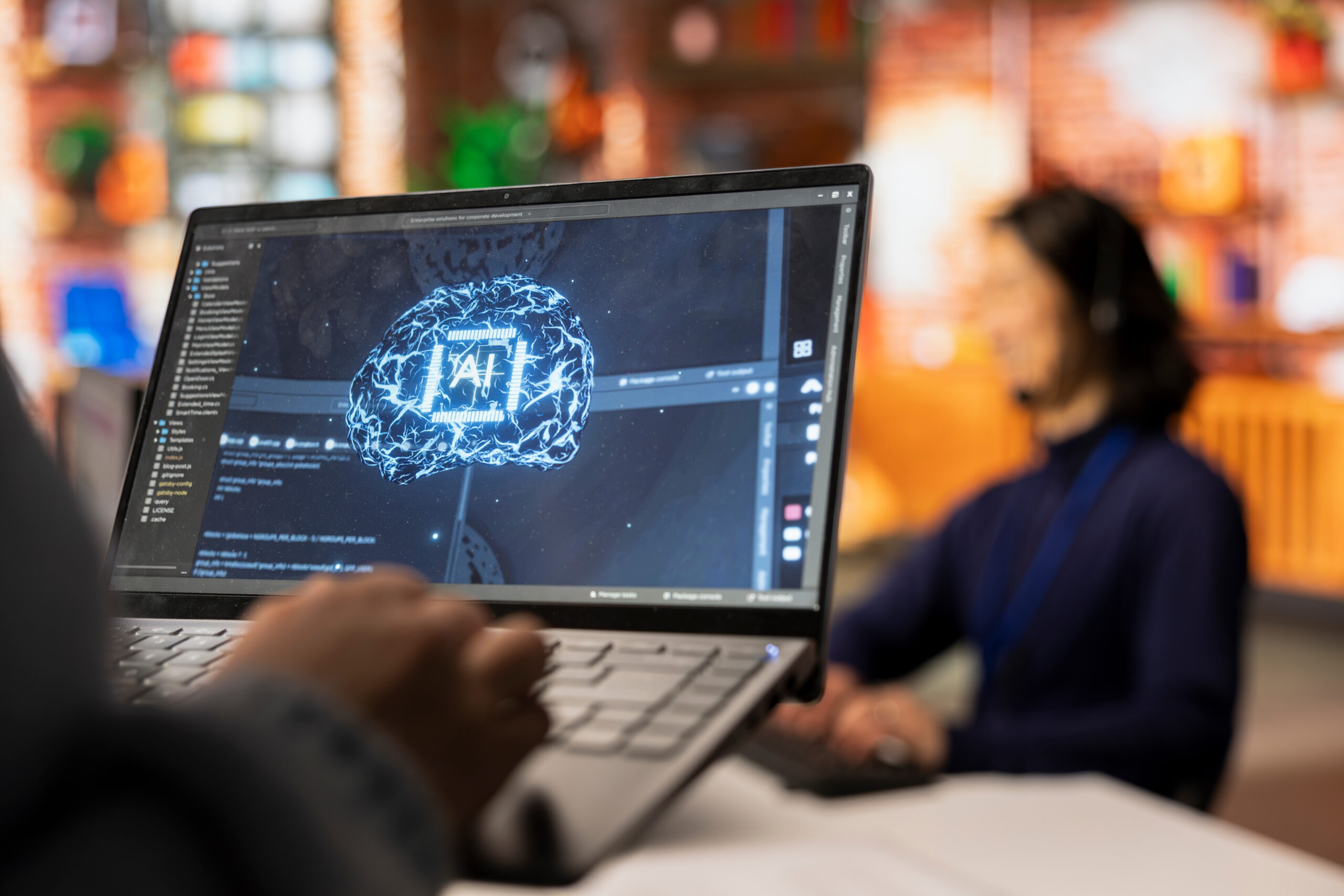
AI tools (for layout suggestions, content testing, image optimisation) are increasingly part of how web design is delivered. But human judgement remains essential: branding, UX nuance, context and creativity cannot be automated fully.
So, responsive web design, speed optimisation, and thoughtful UX are not just nice-to-haves; they directly affect revenue.

What to Look for in a Web Design Agency or Local Website Designers
- Portfolio and case studies: Do they show examples of sites that load fast, convert well, and adapt across devices?
- Performance emphasis: Ask about metrics like load time, bounce rate, and Core Web Vitals.
- Responsive web design skills: They should design with mobile first, ensuring the site looks and works across device sizes.
- SEO & semantic structure: Proper HTML tags, headings, accessibility, and semantic markup.
- Post-launch support: Monitoring, analytics, optimisations over time, not just launch and leave.
SEO & Semantic Best Practices in Web Design
Using semantic HTML, structured headings, meta tags, good URL structures, and clear content hierarchies helps search engines understand your site. When combined with modern website design and performance best practices, you get better visibility on your business website.